

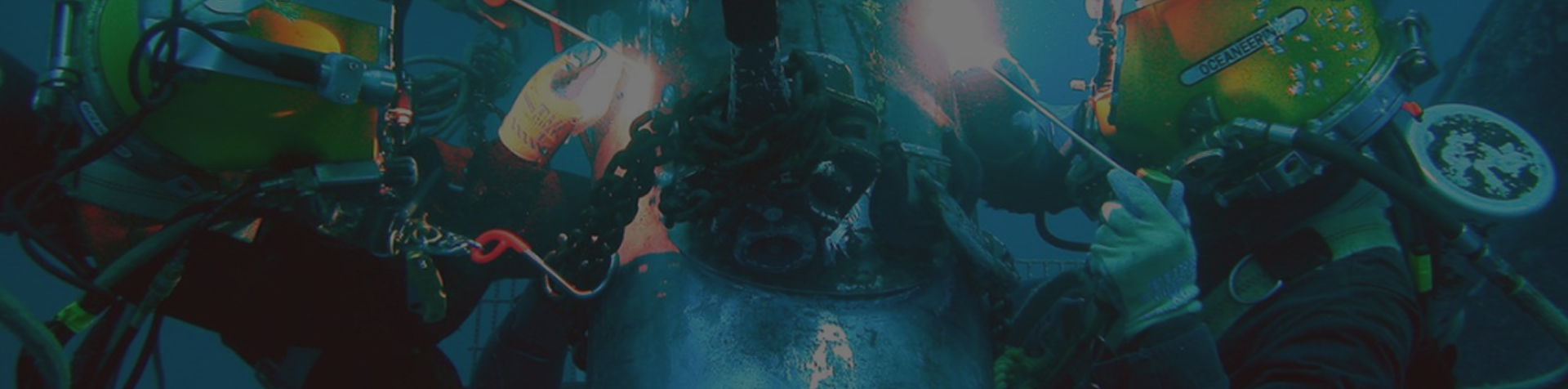
Gulf of America: Fueling High-Skill, High-Wage Jobs
The Gulf of America’s offshore oil and gas industry supports hundreds of thousands of high-paying, skilled jobs nationwide and drives billions in investment. From engineering to maritime trades, it powers careers across all backgrounds while growing America’s future workforce through trade school and STEM partnerships.

Fueling the Economy: How Gulf Energy Drives Domestic Growth
Offshore oil and gas development—especially in the Gulf of America—is among the most capital-intensive industrial undertakings in the world. According to a 2021 study by the Energy & Industrial Advisory Partners (EIAP), titled The Gulf of Mexico Oil & Gas Project Lifecycle: Building an American Energy & Economic Anchor, the total lifetime cost of a single deepwater project averages $8.8 billion, with annual spending near $295 million. The most capital-intensive phases include subsea development and decommissioning. Even shallow-water projects see lifetime spending around $1.3 billion, with annual operating expenses of approximately $27.5 million.
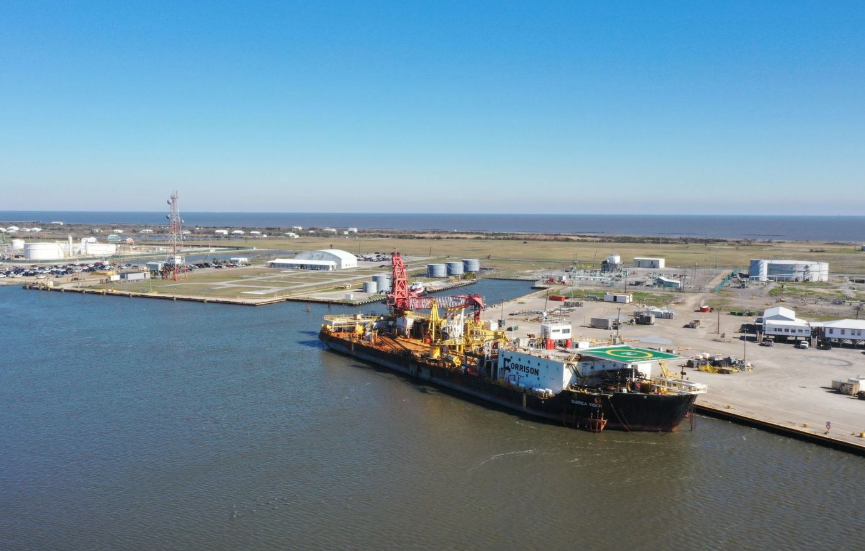
Source: Morrison Energy
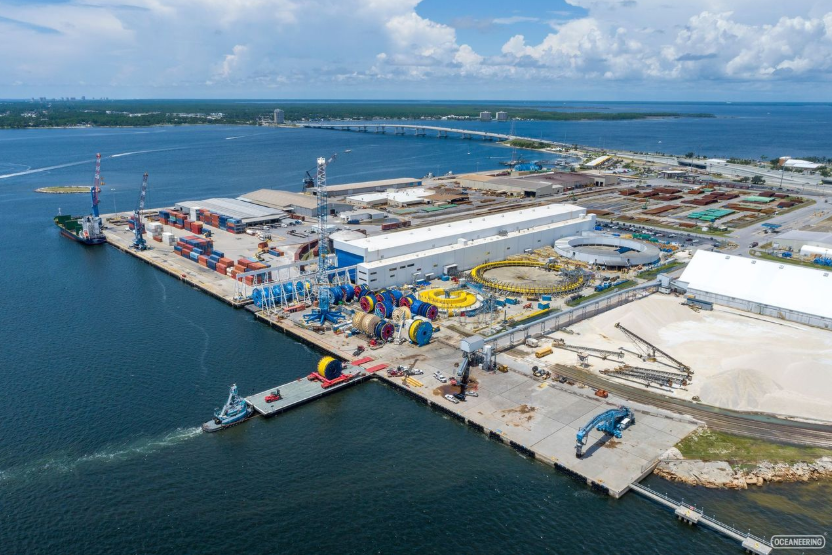
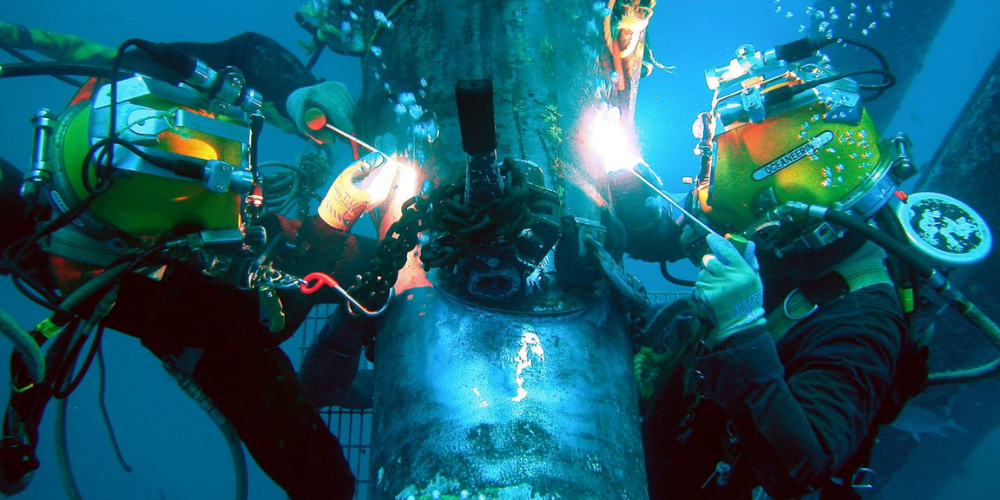
Source: Oceaneering
The Gulf of America Provides Accessible and High-Paying Jobs
Offshore oil and gas development is widely recognized as an employment engine that provides good-paying jobs. The study, The Economic Impacts of a 5-Year Leasing Program Delay for the Gulf of Mexico Oil and Natural Gas Industry, estimates offshore oil and natural gas employment numbers with no interruption in lease sales at an average of 372,012 jobs per year throughout the forecast period of 2022-2040.
Accessible Jobs, for Everyone
The 2021 EIAP report, The Gulf of Mexico Oil & Gas Project Lifecycle: Building an American Energy & Economic Anchor, describes the sizable economic and employment footprint of shallow-water and deepwater project life cycles to provide a foundation for developing employment estimates. EIAP establishes the credibility of its numbers, basing them on a vast database that allows analysts to break down offshore energy development into five distinct stages: pre-development, development, operations, infill drilling and tiebacks, and abandonment and decommissioning. Each stage is further segmented to identify individual activities, types of equipment, primary company and supplier types, sub-supplier types, and types of employment. Finally, the study describes the fields of work, occupations, and wages for workers throughout the life cycle of a lease.

Source: Danos
Offshore oil and gas jobs are varied and high paying, with an average industry wage of $69,650, or 29% higher than the national average. Every U.S. state has jobs and investments supported by the Gulf of America oil and gas industry.

Source: Mate ROV Competition
Gulf of America: Unlocking STEM Potential
The offshore oil and gas industry in the Gulf of America serves as a dynamic force in advancing STEM (Science, Technology, Engineering, and Math) education, igniting innovation and opportunity across Gulf Coast communities. Industry leaders like Shell, bp, Chevron, and ExxonMobil pour significant resources into K-12 schools, providing grants, state-of-the-art lab equipment, and hands-on programs that make learning tangible—think coding kits, 3D printers, and robotics clubs that spark curiosity.
By championing STEM, the offshore oil and gas sector not only builds its future workforce but also empowers students to shape a technology-driven, innovative tomorrow.
Fueling Futures: How Gulf of America Oil and Gas Empowers Trade Schools
The offshore oil and gas industry in the Gulf of America is a cornerstone of economic and educational opportunity, significantly benefiting trade schools across Gulf Coast communities by equipping students with the skills needed for high-demand, well-paying careers. Many companies partner with institutions such as Delgado Community College in Louisiana and Lone Star College in Texas to fund programs tailored to the industry’s technical needs, including welding, instrumentation, pipefitting, and offshore safety.
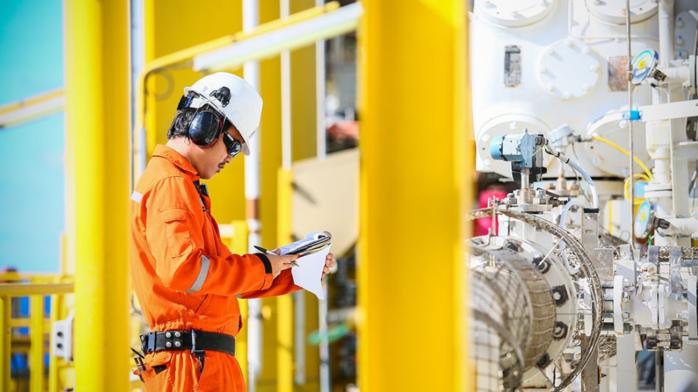
Source: Western Carolina University
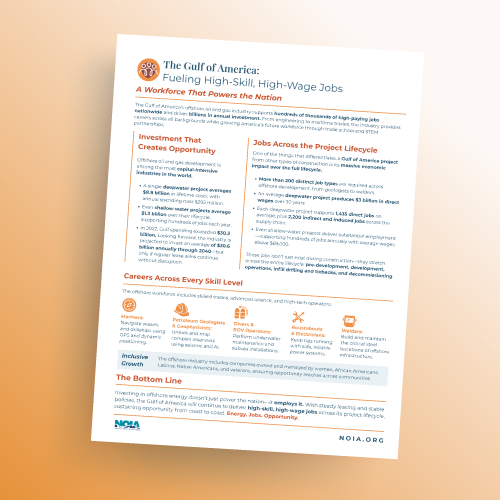
1-PAGER DOWNLOAD
The Gulf of America: Fueling High-Skill, High-Wage Jobs
See how the Gulf of America’s offshore industry creates high-paying jobs, drives billions in investment, and builds America’s future workforce.
Read More
Section 3
The Gulf of America: Driving Society, Elevating Lives


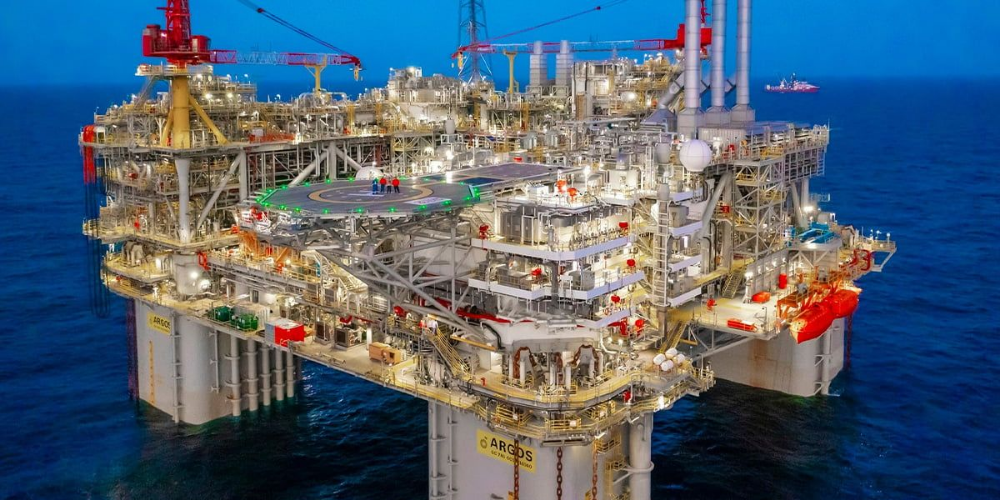
The Gulf of America is a titan of offshore energy production—delivering affordable, secure, and lower carbon intensity energy to Americans. It supports millions of jobs, fuels economic opportunity, and anchors the nation’s industrial strength and innovation.
Section 5
Technology Sets the Gulf of America Apart
The Gulf is a global hub for offshore innovation, deploying cutting-edge technologies like AI, robotics, and advanced imaging. These breakthroughs drive safer, cleaner, and more efficient energy production—solidifying U.S. leadership in offshore energy.

Download the Report
The Gulf of America Forward report shows how offshore energy powers daily life, supports jobs, strengthens security, and leads on innovation and sustainability. Download now to see why the Gulf is a strategic national asset shaping America’s future.
Download Report