


Environmental Stewardship: Gulf of America’s Leadership in Low-Emission, Sustainable Energy Production
The Gulf of America produces some of the world’s lowest-carbon intensity barrels, thanks to world-class infrastructure and stringent environmental safeguards. Responsible development here reduces global emissions, protects marine ecosystems, and advances sustainability.
“The reality is that global oil demand is growing, and environmental protection is compatible with energy development.”
Wall Street Journal Editorial Board
January 6, 2025

Gulf of America: Leading the Way in Lower-Carbon Intensity Oil Production
The offshore oil and gas industry in the Gulf of America operates under one of the world’s most stringent regulatory frameworks, delivering energy with significantly lower environmental impact than many global producing regions. The carbon intensity of Gulf of America production is much lower than the global average, driven by high-volume output from a compact footprint and advanced technological practices.

Source: Beacon Offshore Energy
Breakout:
Methane Production
The Gulf of America’s environmental advantage stems from rigorous safety and emissions standards, innovative technologies, and proactive industry practices. Unlike regions where flaring is routine, most natural gas produced in the Gulf is sold to local markets, minimizing emissions. Modern facility designs reduce methane leakage, and high-throughput wells limit energy-intensive processes like drilling. Operators adhere to strict regulations under 30 CFR 250 Subpart K, which tightly control flaring and venting, and have shifted to instrument air systems, eliminating methane emissions from pneumatic devices. Gas detection systems further enable rapid leak identification and repair. In 2019, despite accounting for 15% of U.S. oil production, Gulf of America offshore operations contributed only 2.6% of nationwide venting and flaring emissions and less than 1% of total U.S. methane emissions, per EIA and EPA data. These practices underscore the region’s leadership in methane reduction, a critical factor given methane’s potent greenhouse effect.
From Rigs to Reefs: Transforming Gulf of America Platforms into Marine Sanctuaries
From the moment an offshore platform is installed, it begins its transformation into a flourishing marine ecosystem. BSEE states, “A typical eight-leg structure provides a home for 12,000 to 14,000 fish, according to a study by the Coastal Marine Institute. A typical four-leg structure provides two to three acres of habitat for hundreds of marine species.”
Harmonious Coexistence: How the Gulf of America’s Offshore Oil and Gas Industry Supports a Thriving Fishing Industry
In the Gulf of America, the offshore oil and gas industry and the fishing industry coexist in a mutually beneficial relationship, fostering economic vitality and ecological synergy while sustaining vibrant coastal communities.
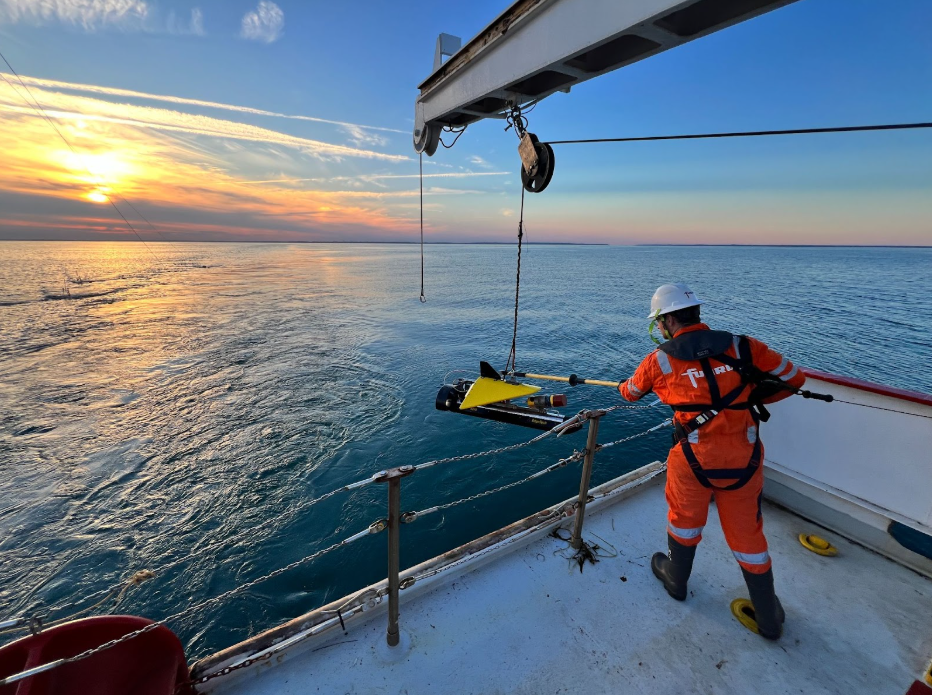
Source: Fugro
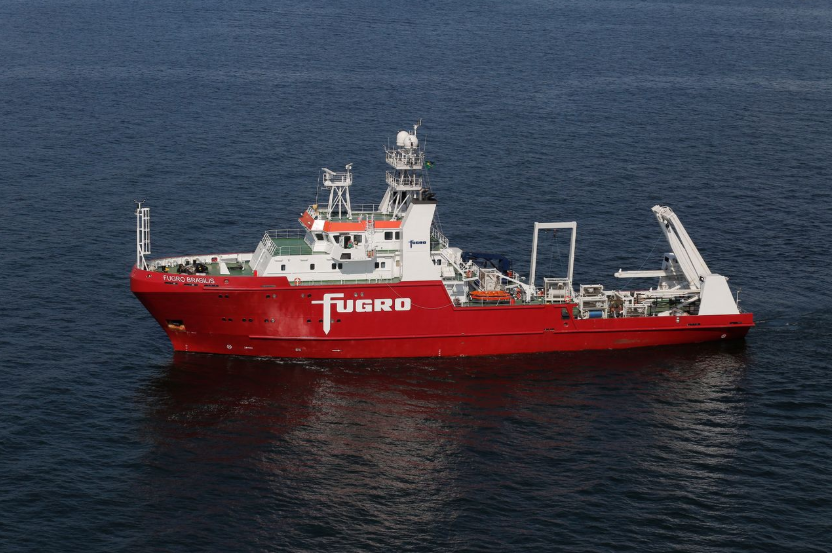
Source: Fugro
Coexisting with Marine Mammals: Responsible Offshore Oil and Gas Operations in the Gulf of America
The Gulf of America is not only a cornerstone of our nation’s energy production—it is also home to a rich diversity of marine life, including protected species like dolphins, whales, and sea turtles. Offshore oil and gas operations here have long been governed by rigorous regulations and best practices designed to protect these vital species and their habitats. Through careful planning, continuous monitoring, and evolving mitigation measures, the offshore industry demonstrates that energy development and environmental stewardship can go hand in hand.

Breakout:
Seismic Surveys and Marine Mammals in the Gulf of America
Seismic surveys are a vital tool for offshore energy development, allowing companies to precisely locate oil and natural gas resources and minimize unnecessary drilling or other activities. In the Gulf of America, seismic surveys have been conducted safely for decades alongside a thriving marine ecosystem.
Scientific research and operational experience spanning more than 50 years show no evidence that sound from properly mitigated seismic surveys has caused physical harm or biologically significant impacts on marine mammal populations.
Key points:
- Low Risk: Decades of worldwide seismic activity confirm that there is no risk of direct physical injury to marine mammals from seismic sound.
- Biologically Safe: Peer-reviewed studies and long-term monitoring show no biologically significant adverse effects on marine mammal populations from seismic surveys.
- Strong Mitigation Measures: Offshore operators implement robust protection strategies, including:
- Marine Mammal Observers onboard every seismic vessel to monitor for animals.
- Exclusion Zones, where operations are paused immediately if a marine mammal enters the designated area, and only resume after a minimum 30-minute clear period.
- Ramp-up Procedures at the start of operations, gradually increasing sound levels to allow marine life to move away from the area comfortably.
- Species-Specific Considerations: Not all marine life hears the same frequencies equally. Just as humans, bats, and dogs hear differently, some marine mammals are more sensitive to high frequencies while others respond to lower ones. Seismic surveys are designed with these differences in mind.
- Ongoing Research and Adaptation: The industry continually monitors the effectiveness of its mitigation strategies and funds scientific research to further understand and minimize interactions with marine life.
Marine seismic surveys are critical to safely and efficiently unlocking offshore energy resources while protecting the Gulf’s marine environment. Based on the best available science and decades of operational history, seismic surveys pose no demonstrated significant threat to marine mammal populations in the Gulf of America.
Funding America’s Future: How Gulf of America Offshore Oil and Gas Powers Conservation and Resilience
The offshore oil and gas industry in the Gulf of America generates substantial federal and state revenue, channeling billions of dollars into conservation, recreation, and coastal resilience through programs like the Land and Water Conservation Fund (LWCF), the Great American Outdoors Act (GAOA), the Outdoor Recreation Legacy Partnership (ORLP) Program, and the Gulf of Mexico Energy Security Act (GOMESA). These programs, funded primarily by royalties, lease bonuses, and rental payments from offshore oil and gas activities, supports national parks, urban green spaces, and coastal restoration without relying on taxpayer dollars. The largest portion goes to the General Fund of the U.S. Treasury, which benefits all U.S. citizens through funding of daily operations of the Federal Government.

Source: Port Fourchon
Great Neighbors: How Gulf of America Oil and Gas Companies Strengthen Coastal Communities
The oil and gas industry in the Gulf of America is a cornerstone of economic vitality and community support across the Gulf Coast, acting as a great neighbor through philanthropy, environmental stewardship, and deep-rooted engagement. Companies based in Louisiana, Texas, Mississippi, and Alabama exemplify this commitment, investing in education, disaster relief, coastal restoration, and workforce development to uplift residents from Mobile to Houston. By integrating their efforts with the region’s cultural and environmental priorities, they ensure that responsible energy production enhances the quality of life, building a stronger, more vibrant Gulf Coast.
Spotlight:
Strengthening the Gulf Coast Ecosystem: Cajun Coral
Danos, a Louisiana-based energy services company, is a leader in coastal restoration, enhancing marine habitats across the Gulf Coast through innovative artificial reef systems. Partnering with organizations like Natrx and Reefmaker, Danos produces and installs advanced reef products, such as the 3D-printed Cajun Coral modules and limestone-based Super Reefs, covering over 50,000 square feet. These cost-effective, scalable structures minimize environmental impact, support biodiversity by fostering oyster seeding and fish populations, and restore habitats lost to natural and human causes.
By protecting barrier islands and marshes, Danos’ efforts reduce storm surge risks, benefiting coastal communities. These projects also boost local economies by supporting fisheries, recreational fishing, tourism, and job creation in fabrication and installation. With direct access to the Gulf of America, Danos promotes sustainable growth, ensuring long-term ecological health and resilience for the region’s ecosystems and communities.
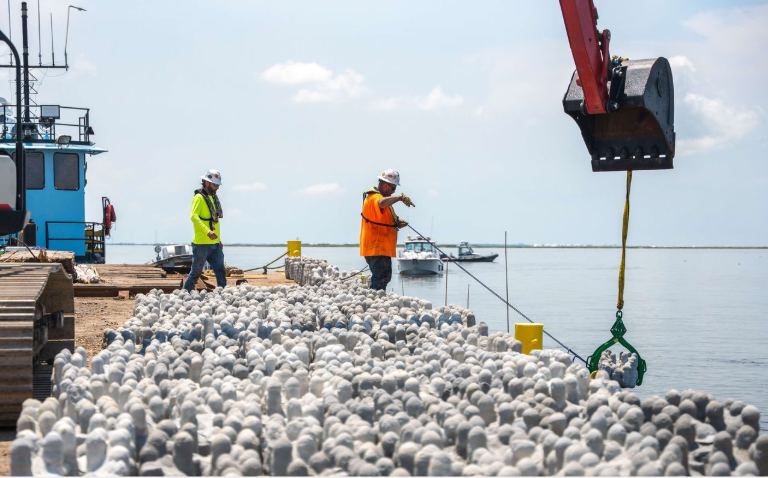
Source: Danos
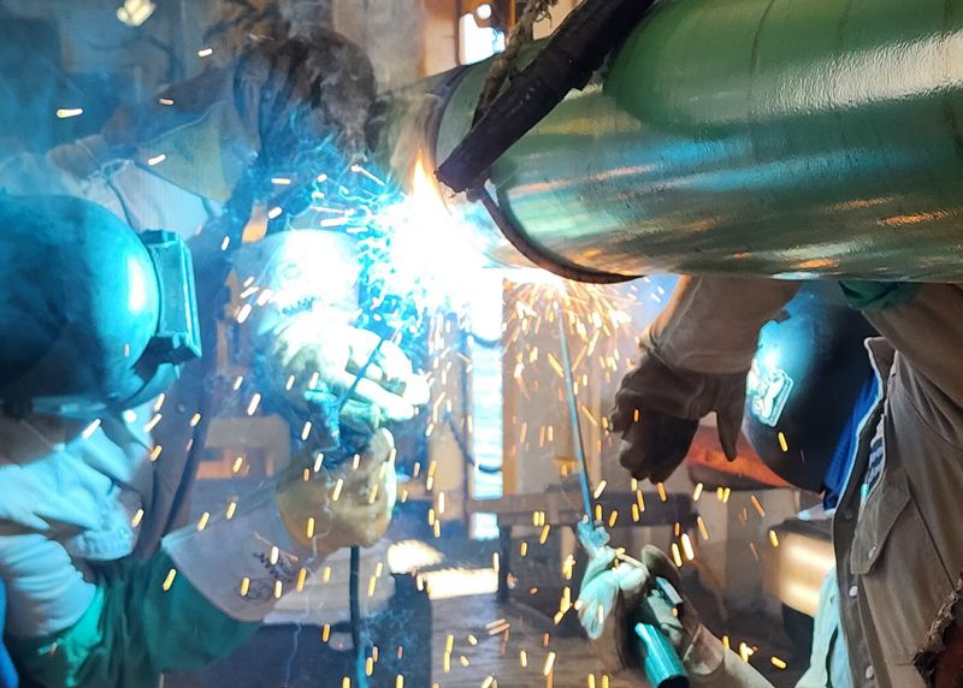
Source: Morrison
Safety First, Safety Always:
The Gulf of America’s Robust Framework for Responsible Offshore Oil and Gas Operations
The offshore oil and gas industry in the Gulf of America operates under one of the world’s most stringent safety and environmental frameworks, ensuring responsible energy production through advanced engineering, cutting-edge technology, rigorous regulatory oversight, and proactive incident prevention and response systems. Companies in the Gulf, producing approximately 2 million barrels of oil per day, prioritize safety through state-of-the-art design processes, equipment, and monitoring systems, supported by comprehensive regulations and industry standards from the American Petroleum Institute (API).

Source: HWCG
Breakout:
Guardians of the Gulf –An Unrivaled Commitment to Safety
The Gulf of America, our nation’s energy epicenter, pulses with opportunity and responsibility. The Helix Well Containment Group (HWCG), the Marine Well Containment Company (MWCC), and the technological powerhouse, Trendsetter Engineering, have redefined containment, transforming the Gulf of America into a global model of resilience, safety, and environmental stewardship.
Breakout:
Bowtie Risk Management and Real-World Validation in the Gulf of America
In offshore energy operations, managing risk isn’t left to chance—it’s structured through the bowtie method, a widely adopted framework that places a potential hazard at the center and surrounds it with layers of defense. On the left side of the “knot” are preventive barriers that reduce the likelihood of an incident. On the right are mitigation measures that minimize the consequences if an incident occurs. This approach provides operators, regulators, and response teams with a clear, actionable structure for protecting lives, the environment, and offshore infrastructure.
In the Gulf of America, this risk-based mindset is not theoretical—it’s put to the test. In 2023 and again in 2024, the Bureau of Safety and Environmental Enforcement (BSEE) conducted unannounced capping stack drills to evaluate the industry’s real-world ability to respond to a subsea well control event. Each of the drills lasted between three and five days and were mobilized by Beacon Offshore Energy and Chevron, along with their mutual aid partners to deploy, and install equipment to cap a blowout in deep water off the coast of Louisiana. These no-notice drills simulated a loss-of-well-control scenario and tested the full spectrum of response capabilities, from team mobilization and communications to equipment readiness and capping procedures.
Both drills were successfully completed, confirming that industry plans, personnel, and systems are prepared to respond rapidly and effectively in high-pressure situations. BSEE described the exercises as demonstrating “strong coordination and performance” between regulators and operators, affirming the operational value of the bowtie model and the industry’s ability to execute under real-world conditions.
The bowtie framework ensures that prevention measures—such as well design standards, real-time monitoring, and trained personnel—are robust. At the same time, mitigation strategies like regional containment systems, capping stacks, and deployment protocols are fully integrated into operational plans. Success in the BSEE drills reflects not only technical capability, but a safety culture grounded in planning, accountability, and continuous improvement.
With energy demand rising and offshore development expanding, the Gulf of America remains a model of responsible offshore operations. The successful completion of these unannounced drills reinforces that prevention and preparedness are not just aspirational goals—they’re operational realities in the Gulf today.
1-PAGER DOWNLOAD
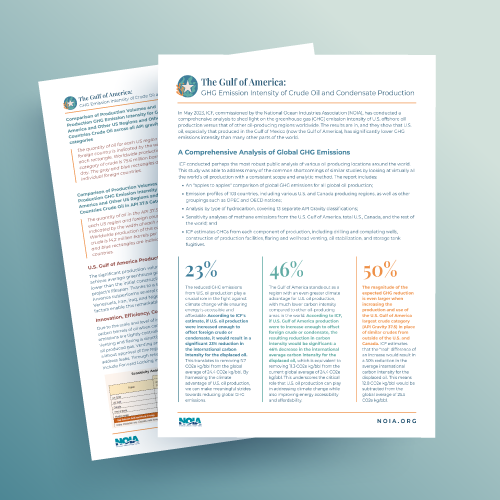
The Gulf of America: GHG Emission Intensity of Crude Oil and Condensate Production
Discover how U.S. offshore oil production in the Gulf of America delivers some of the lowest greenhouse gas emissions globally.
1-PAGER DOWNLOAD
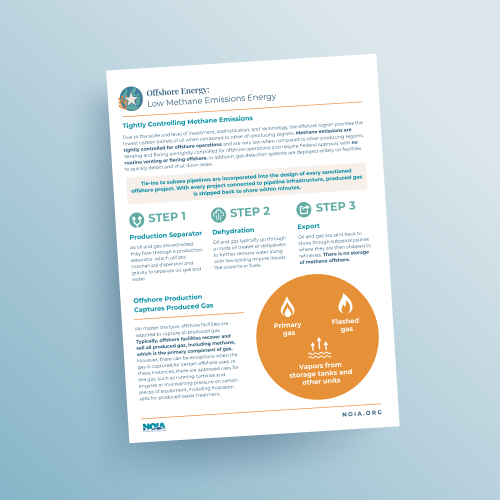
Offshore Energy: Low Methane Emissions Energy
Discover how Gulf of America offshore operations keep methane emissions low through advanced technology, strict oversight, and secure gas capture and transport.
Read More
Section 5
Technology Sets the Gulf of America Apart



The Gulf is a global hub for offshore innovation, deploying cutting-edge technologies like AI, robotics, and advanced imaging. These breakthroughs drive safer, cleaner, and more efficient energy production—solidifying U.S. leadership in offshore energy.

Section 7
National Security Benefits of Gulf of America Oil and Gas: Strengthening U.S. Energy Independence Amid Global Challenges


The Gulf is a global hub for offshore innovation, deploying cutting-edge technologies like AI, robotics, and advanced imaging. These breakthroughs drive safer, cleaner, and more efficient energy production—solidifying U.S. leadership in offshore energy.

Download the Report
The Gulf of America Forward report shows how offshore energy powers daily life, supports jobs, strengthens security, and leads on innovation and sustainability. Download now to see why the Gulf is a strategic national asset shaping America’s future.
Download Report